Listed homes
On owning and altering old houses in England
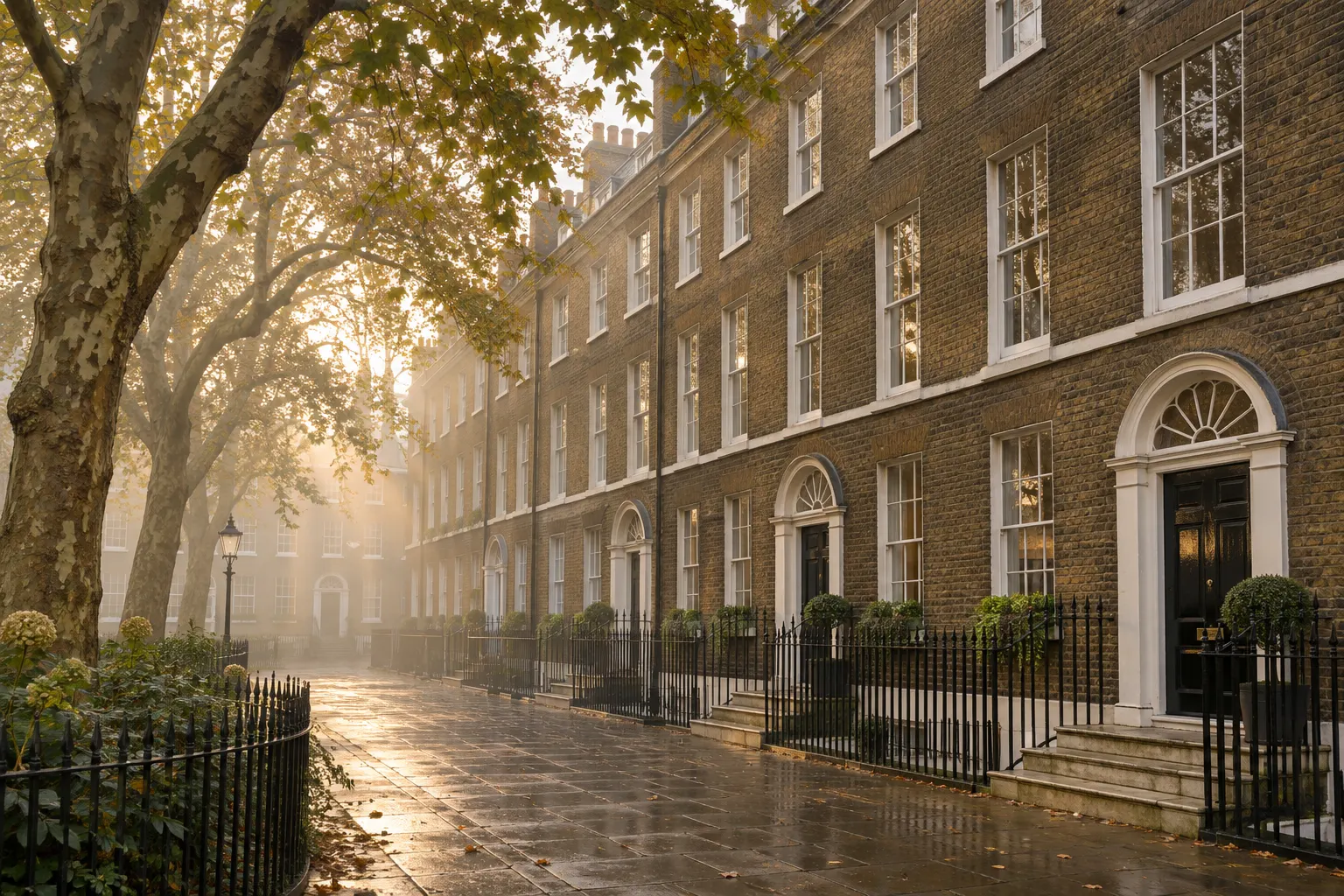
For people who own, or are about to buy, an old house
Unhurried, carefully checked guides to listed building consent, conservation areas, Article 4 streets and certificates of lawfulness, with two small tools that answer the questions owners ask first.
Owners of old houses often speak of "getting planning" as if it were a single permission. In England it is three separate questions, asked under different laws, and a single project can need any of them.
Does the work need planning permission? Extensions, dormers and changes to the outside usually count as development. Many are allowed nationally as permitted development under the General Permitted Development Order 2015, unless the home is a flat, sits in a conservation area that withdraws that class, or is covered by an Article 4 direction.
Is the building listed? Then listed building consent is needed for anything that affects its special interest, inside as well as out, whatever the planning answer. Carrying out such work without consent is a criminal offence.
Would proof help? If the work is permitted development, a lawful development certificate turns your reading of the rules into the council's written decision.
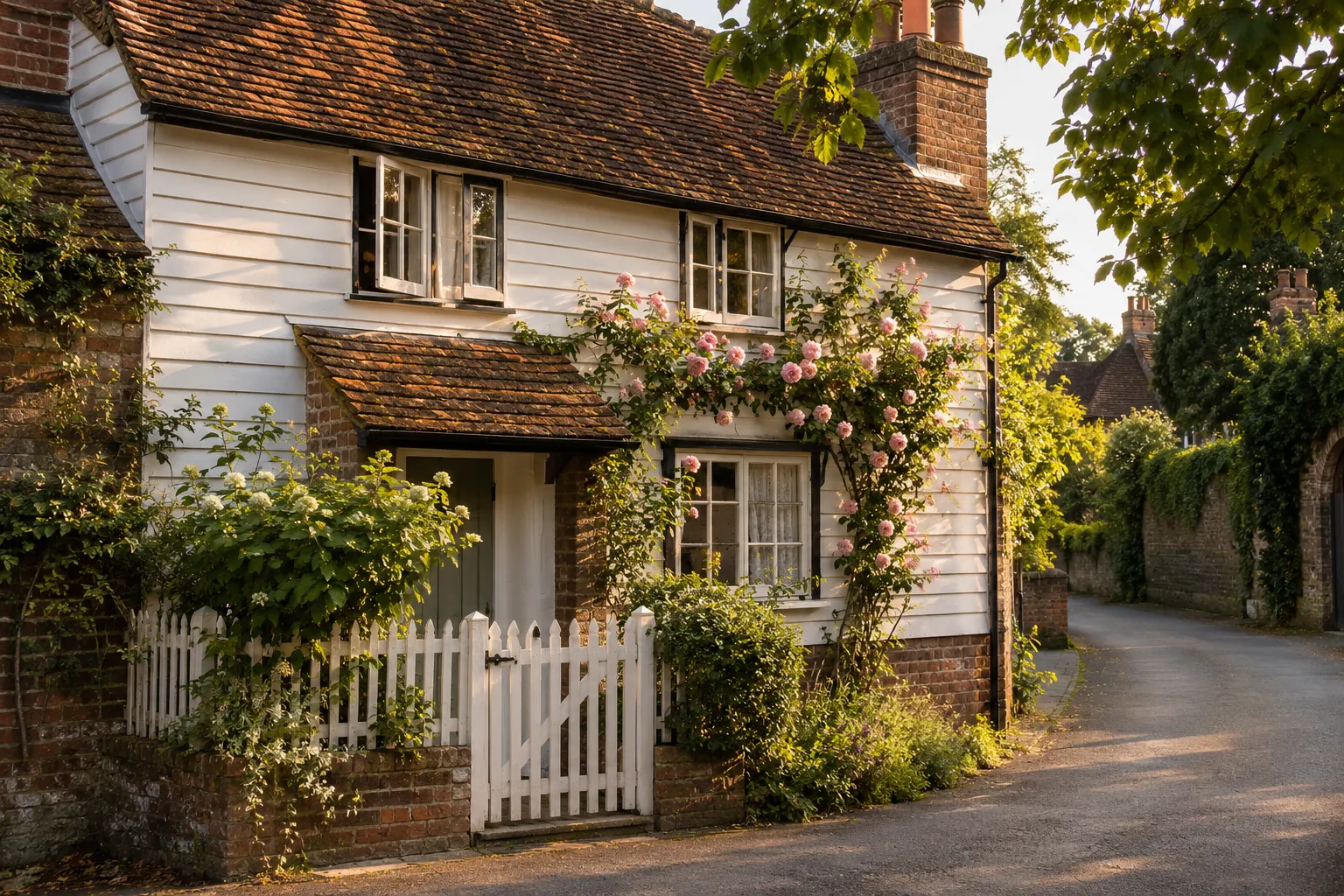
Both run in your browser and keep nothing. Where the answer matters, the council's written decision is the one to rely on.